
Emeritus
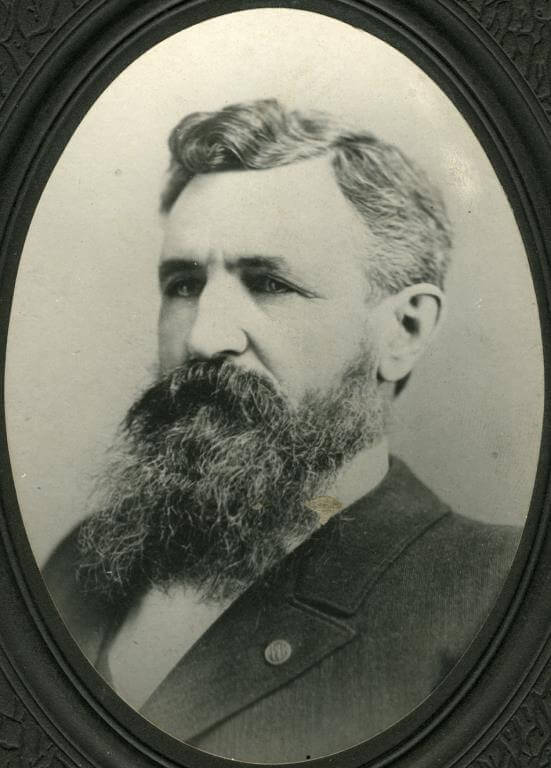
Colonel Byron Leander Carr’s biography is a little difficult to believe and seems to be that of several people. He was raised on his family’s farm in New Hampshire and was the youngest of five children. At age eighteen he volunteered for the Union Army (the “White Mountain Boys”) the day after the South fired on Fort Sumter. He was captured by General Jeb Stuart’s cavalry in Middleburg, Virginia. Six months later he was repatriated to fight again. He fought in most of the eastern Civil War battles. Twice wounded, he lost his left thumb and right arm in the last battle at Appomattox—one day before the end of the Civil War. He was discharged an acting Colonel at age twenty-three.
He graduated from Newbury Academy in New Hampshire. Carr married Mary Lord Pease Carr of Maine. He was a teacher, principal, and school superintendent in Illinois all before reaching the age of thirty. Carr and Mary welcomed a daughter named Susie in 1868. Carr then began to study law under F.P. Ferry, a later governor of Washington State, and J.L. Williams who soon moved to Denver and may have been what inspired Carr to travel to Colorado as well.
In April of 1871, he walked from Greeley to the Chicago Colorado Colony—what is today Longmont—with Charles E. Day, his friend who also studied law. Carr and Day secured a loan from bankers conducting business on the side of the road using a dry goods box for a desk. Carr became Longmont’s first public schoolmaster and practiced law with Day in the evenings.
Soon his wife, Mary, joined him as teacher and eventually took over his duties as schoolmaster. Although Carr was a Republican, his wife was an unsuccessful candidate for the state legislature as a Democrat. She was the first woman to serve on Longmont’s school board and was its president. The two attempted to establish Central School as the first building of the University of Colorado. This effort failed, and C.U. was forever “lost” to the City of Boulder. When Carr was admitted to the Colorado bar in 1872, he resigned as schoolmaster to run for Second judicial district attorney.
Carr and Day rented a portion of the St. Vrain Hotel on east Main Street for their law practice. The firm Carr and Day was the sole land agent for the Colony and handled real estate transactions for farm lots for sale in the area. Carr was soon appointed secretary of the colony and he also became the district attorney from 1873-1874. He even presented the petition for Longmont’s incorporation to the County, which was granted in 1873.
In 1875-76, Carr was one of thirty-nine delegates to the Colorado Constitutional Convention. He drafted the constitutional provisions relating to water law and became one of Colorado’s founding fathers. He also introduced a resolution allowing women to vote in school elections.
One historian called him the “father of Colorado irrigation law.” He was the losing attorney of record in the landmark case Lefthand Ditch Co. v. Coffin, 6 Colo. 443 (1882), the first reported water case in Colorado. Described as “an able lawyer, a military leader, a profound legislator, and pioneer educator,” he was also known as an expert water lawyer, an eloquent speaker, and an effective trial lawyer.
After a fire that started in a bakery in 1879 destroyed both his law office and the town newspaper, Carr founded a new newspaper called the Longmont Ledger and was the editor-in-chief for two years. In 1888, he unsuccessfully ran for the Colorado Supreme Court. In 1894, he was elected Attorney General of the State of Colorado and later was re-elected for an additional term. After his term he returned to Longmont to practice law and took Louis (Lou) Preston McGwire as his legal partner. Their firm was located in an office over a furniture store in Longmont. Carr was named Brigadier General of the 1st Division of the Colorado National Guard and Commander of the Grand Army of the Republic in Colorado. He died in 1899 at age fifty-six after contracting pneumonia.
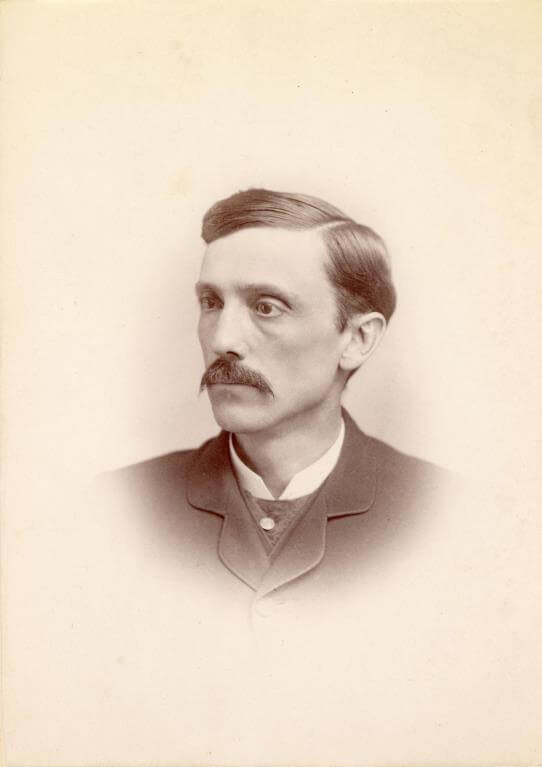
Charles E. Day was one of the founding attorneys of the firm. He was born August 11, 1848 in Illinois. Day walked with Carr from Greeley to join the Chicago-Colorado Colony, arriving in what is now Longmont in 1871. They rented a portion of the St. Vrain Hotel on east Main Street and put up their shingle as “Attorneys at Law.” The two were the Colony’s sole land agents—a role that placed them at the center of Longmont’s earliest real estate and legal activity.
While Carr stayed at the firm in Longmont, Day soon left to become a teacher in Boulder. He eventually moved into banking and is listed among the early directors of Longmont’s first bank, Emerson & Buckingham Bank, formed on April 12, 1871.
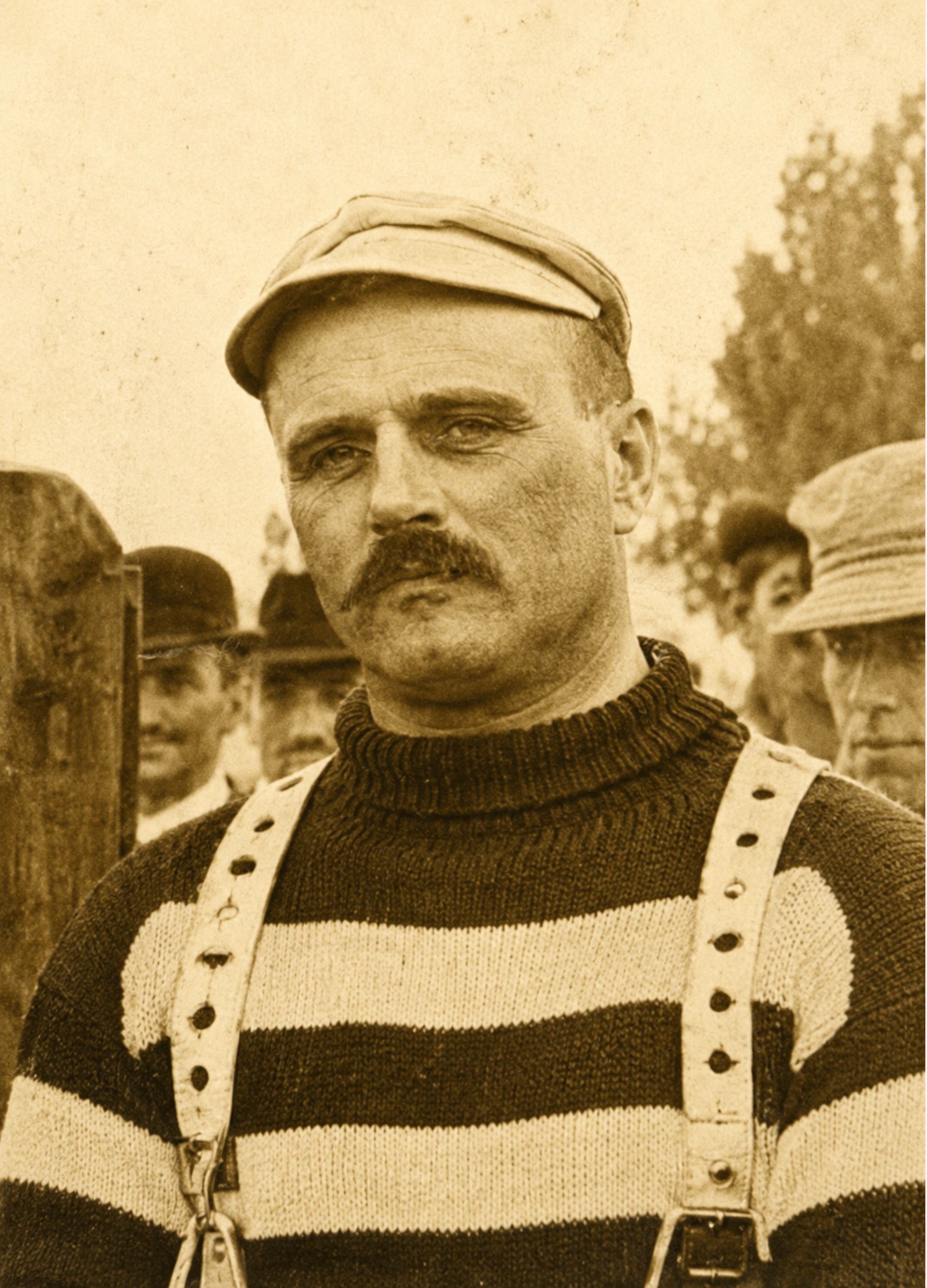
Louis P. McGwire was born on July 22, 1868 in Connecticut. He came to Longmont through his close connection to the firm’s founder, Col. Byron L. Carr, whose daughter, Susie M. Carr, he married on June 2, 1893 in Denver, Colorado.
Before entering the law, McGwire served as Carr’s private secretary. He also held a commission as an officer in the Colorado National Guard, serving during the Leadville Strikes—a period of significant labor unrest in Colorado’s mining industry in the 1890s. After Carr’s death McGwire partnered with George Halderman, although the partnership dissolved only one year later. McGwire ran against Halderman in 1905 for the office of city attorney and won. McGwire and Susie had two children, a daughter named Lois born in 1893 and a son named Byron, after his beloved grandfather, born in 1898. However, tragedy struck in 1918 when McGwire’s son, Byron died at the age of 20 in France, fighting in WWI. The 1919 Denver Post article places McGwire in Longmont as a longtime attorney, describing him as a “steady worker” who had been connected with the Colorado National Guard and who was, at that time, a member of the state militia at various Longmont capacities. Louis P. McGwire was a member of the firm until his death on September 27, 1934 in Longmont, Colorado. He was buried at Mountain View Cemetery in Longmont.
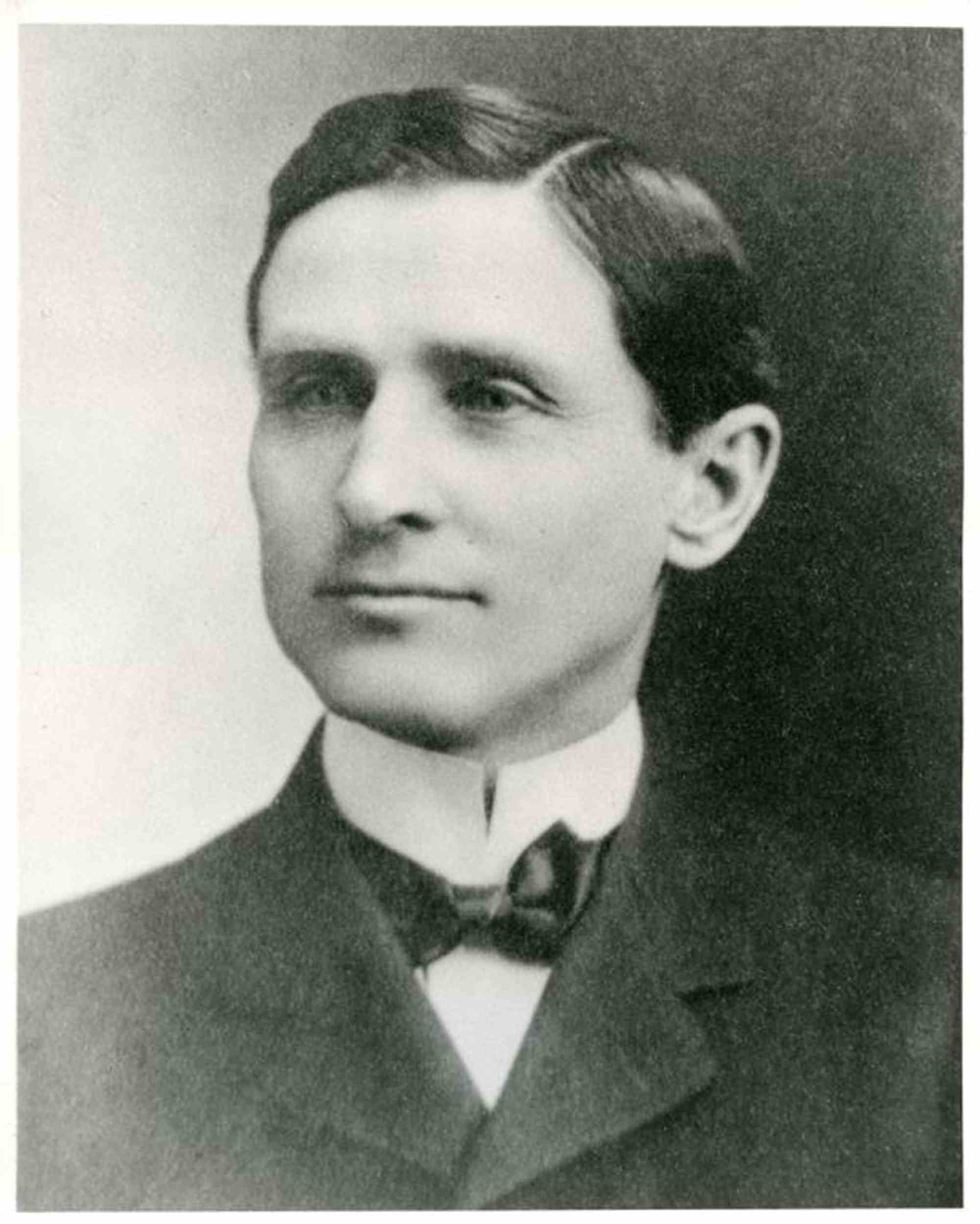
Franklin Pearce Secor was born in Racine, Wisconsin in 1852. When he was seventeen, he learned the trade of wagon making. He graduated from the University of Michigan in 1876, and became a school principal in Chippewa Falls, Wisconsin for three years.
His brother, William Walter Secor, was one of the original founders of Longmont. His younger brother, David Secor, was also an early settler of Longmont. In 1881, F. P. Secor came to Longmont and joined the law firm. He won his first case defeating the well-known “Judge” Slaughter and winning a large judgment for his client.
In order to ensure that his son, Gray Secor, would be adequately educated, he moved to Chicago where he practiced law for three years. On returning to Longmont, he was elected a County Judge. Judge Secor helped found the first municipally owned electrical utility in the State of Colorado. Because of his efforts, Longmont became known as the “city of lights.” In 1891, Judge Secor became a Republican member of the State Legislature. He became a first assistant Attorney General in 1894 under Byron Carr.
An eloquent speaker, he was elected Mayor of Longmont from 1909-1910. He and his best friend, Frederick Walter Flanders, organized the opposition which threw the Ku Klux Klan out of city government in 1927. He owned two residences, which became historically significant. His home at 318 Pratt was a “second empire” house now known as the Secor-Clark house. His house at 247 Pratt was known as the Judge Frank Secor house.
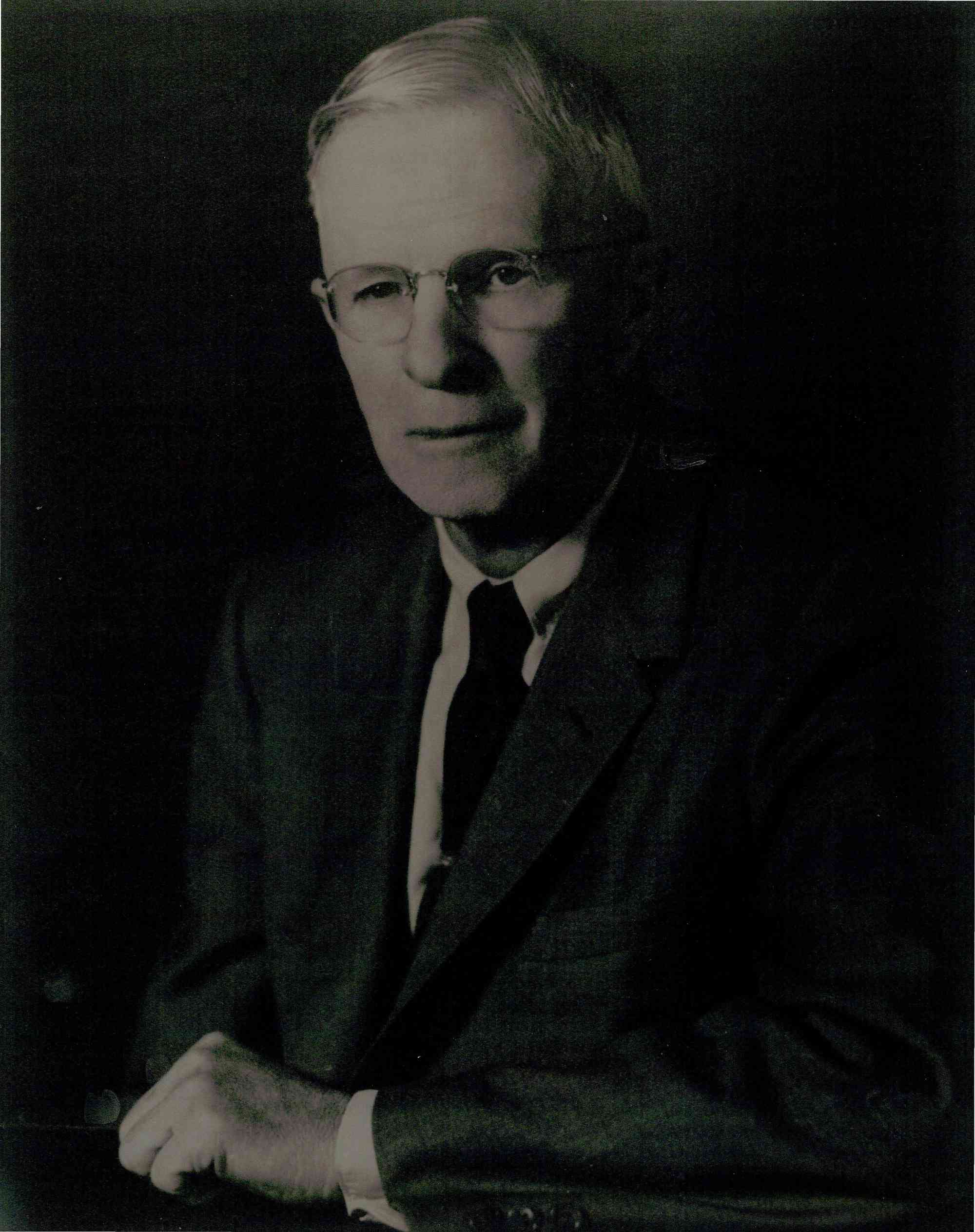
Gray Secor was the son of Franklin Pearce Secor and Sadie Ross Secor. He attended prep school in Boulder, traveling to school by train with his father, the County Judge. He attended the University of Chicago and completed law school at the University of Michigan. He married Maude Ransom Williams in 1910. Their children were William T. Secor and Gray Secor, Jr., who died tragically at age fifteen in 1932 from a fall on Long’s Peak.
He joined the firm in 1907 and practiced there for the next fifty-eight years—fifty years of which he was assisted secretary Clara Mathews. Because of the loss of sight in one eye at the age of three, and the later onset of glaucoma, he gradually became blind. For the last twenty years of his practice, his secretary served as his eyes. Gray’s sense of humor was legendary. He once told a new client that his case was so bad, he would pay the client five dollars to take it to another lawyer.
During the depression, he had a practice of quietly bidding in taxes on his clients’ farms that were going to tax sale. He never accepted a tax deed and would always allow every farmer to redeem—long after the deadline had expired. Gray was a very careful and practical real estate, probate and banking lawyer. He believed the law was meant for ordinary people and used every legal means possible to simplify procedures. He was also a Vice President and Director of The First National Bank of Longmont. He passed away in the early morning of February 9, 1965 after talking on the phone the previous night with his son William to discuss a basketball game he had just listened to on his small radio.
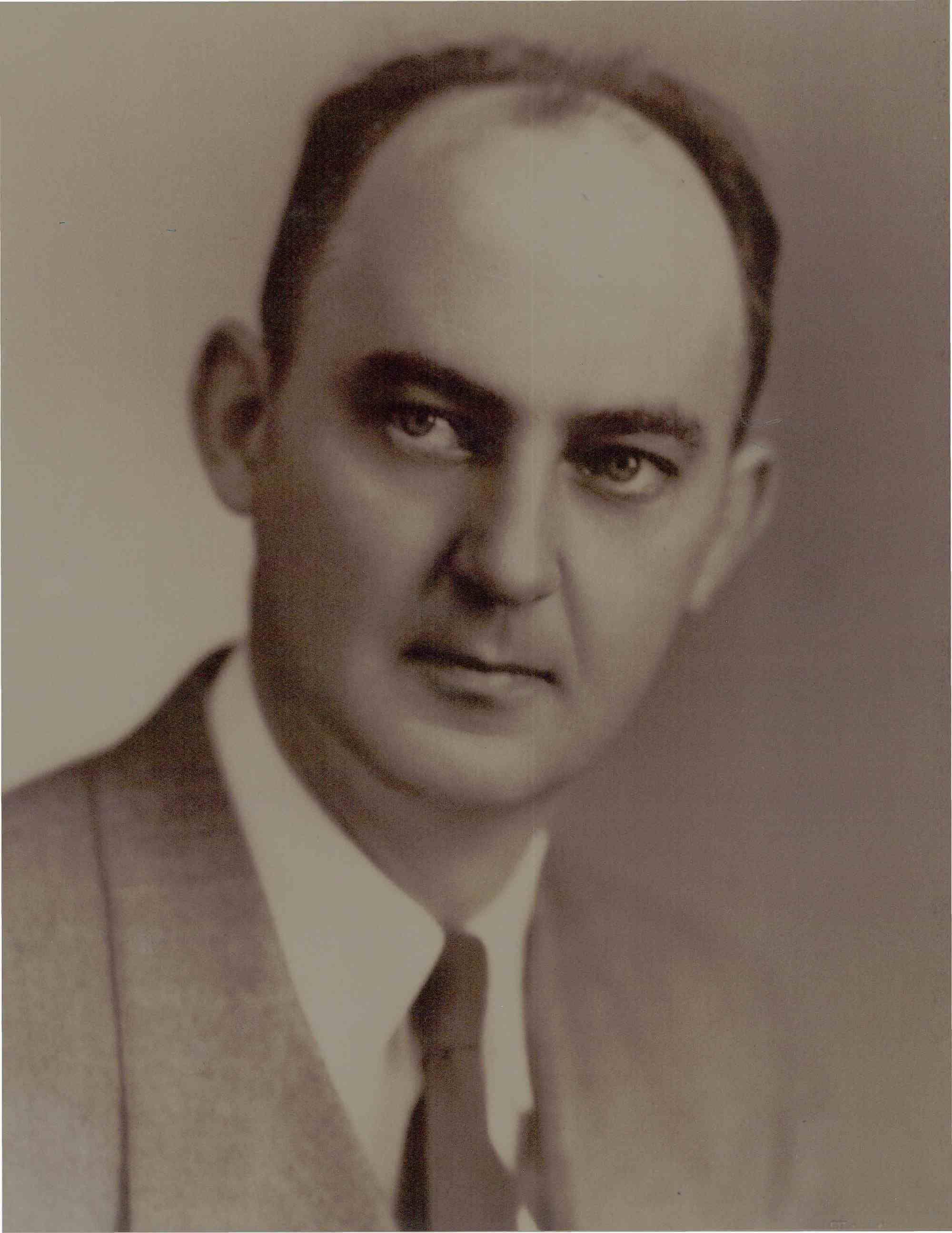
H.G. McCarty came from a prominent family which had homesteaded near Berthoud in the 1880s. His mother died when he was very young. After graduating from the University of Colorado Law School, he began office sharing with Secor & Secor in 1932. Horace was married to Helen Yeager McCarty, also a member of a pioneering family. They had four sons.
While in school, Horace spent his summers as a deputy water commissioner of Water District No. 4 (the Little Thompson River system). His family owned several farms in the vicinity. As a result, he had a great deal of practical knowledge of water and real estate law and of the water rights from the Big Thompson River in Larimer County to Coal Creek in Boulder County. Horace specialized in water, real estate and probate law. The firm still maintains one of the best libraries of old maps and water decrees in the state. Also known as a “man for all seasons,” Horace once owned one of the largest ranches in Colorado, The Chimney Rock Ranch. He later owned one of the larger irrigated ranches in Wyoming near Cody, known as the “Kid Nichols Ranch.” This ranch had been owned by a famous middle weight champion boxer and friend of Buffalo Bill Cody.
Horace’s other interests included the ownership of various cattle feed lots in Colorado. In addition to practicing law full time, he was the President of The Longmont National Bank in the mid-1950s. He served on its board of directors for many years. For a short time, the firm represented all three Longmont banks. A man of few words, his legal advice was usually either “yep” or “nope.” A conference with him rarely lasted over ten minutes, including discussions about the weather and each other’s families. A fast reader, it was speculated that he read legal documents in midair as they were placed on his desk.
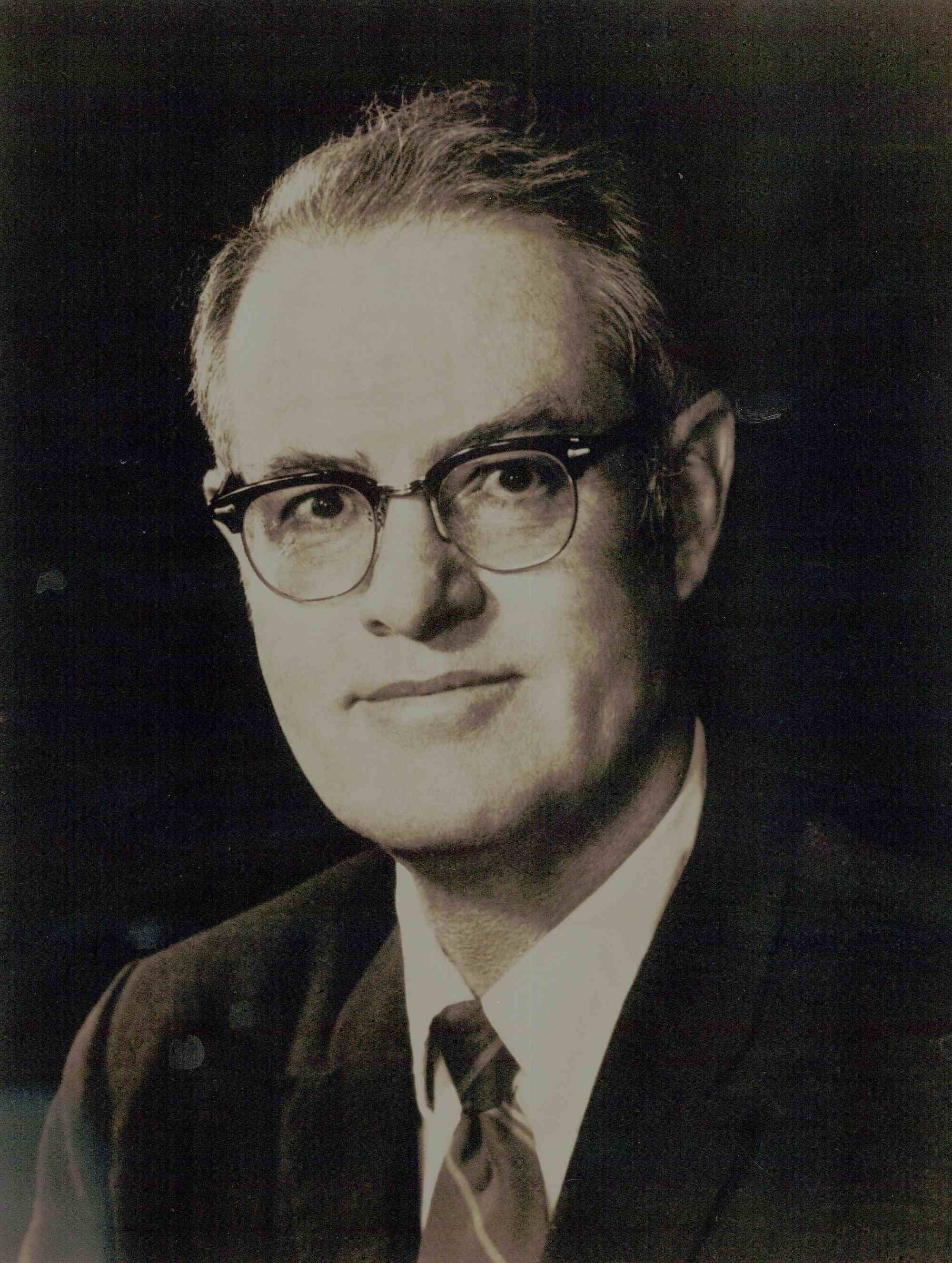
L. B. “Larry” Flanders was the grandson of F.P. Secor and Sarah Ross Secor, and Frederick Walter Flanders and Cora Belle Slee Flanders. Larry graduated from the University of Colorado Law School in 1940, Order of the Coif, first in his business school and law school classes. Then-Dean Robert Stearns once called Larry “perhaps the most outstanding mind to ever graduate from this law school.” Larry chose to practice tax and estate planning law with his uncle and grandfather’s firm in Longmont.
World War II interrupted his law practice. Larry served three years in the U.S. Navy, most of the time on the battleship U.S.S. Nevada. He was at Normandy on June 6th, 1944, and at Okinawa in April of 1945. After the war, Larry returned to practice of law, and the firm became known as Secor, McCarty & Flanders. He practiced law with the firm until his retirement in 1989. He and Ted Schey, a partner of the other major law firm in town, used to meet at the Longmont Drug for coffee every day to discuss cases they represented for opposing clients and try to work out an answer that was best for both clients. They said that for twenty to thirty years no lawsuits went to trial out of Longmont because of their commitment to civility and collegiality.
Larry was a Deputy District Attorney; President of the Associated Alumni of the University of Colorado; President of the Boulder County Bar Association; Vice-president and member of the Board of Governors of the Colorado Bar Association; and Chairman of the probate and trust law section of the Bar for many years. An expert in tax and estate planning, he became a fellow of the prestigious American College of Trust and Estate Counsel. He served on the board of directors of many charitable foundations and The First National Bank of Longmont. Larry was also a twenty-two-year member of the Longmont Water Board, Chairman of the Home Rule Charter Commission, and Chairman of the Long Range Planning Committee.
A former Moderator of The First Congregational Church of Longmont, and a passionate student of philosophy, he was instrumental in bringing many great thinkers to the church for its lay-leadership conferences. In 1987, he received the prestigious Distinguished Alumni Medal from the University of Colorado Law School.
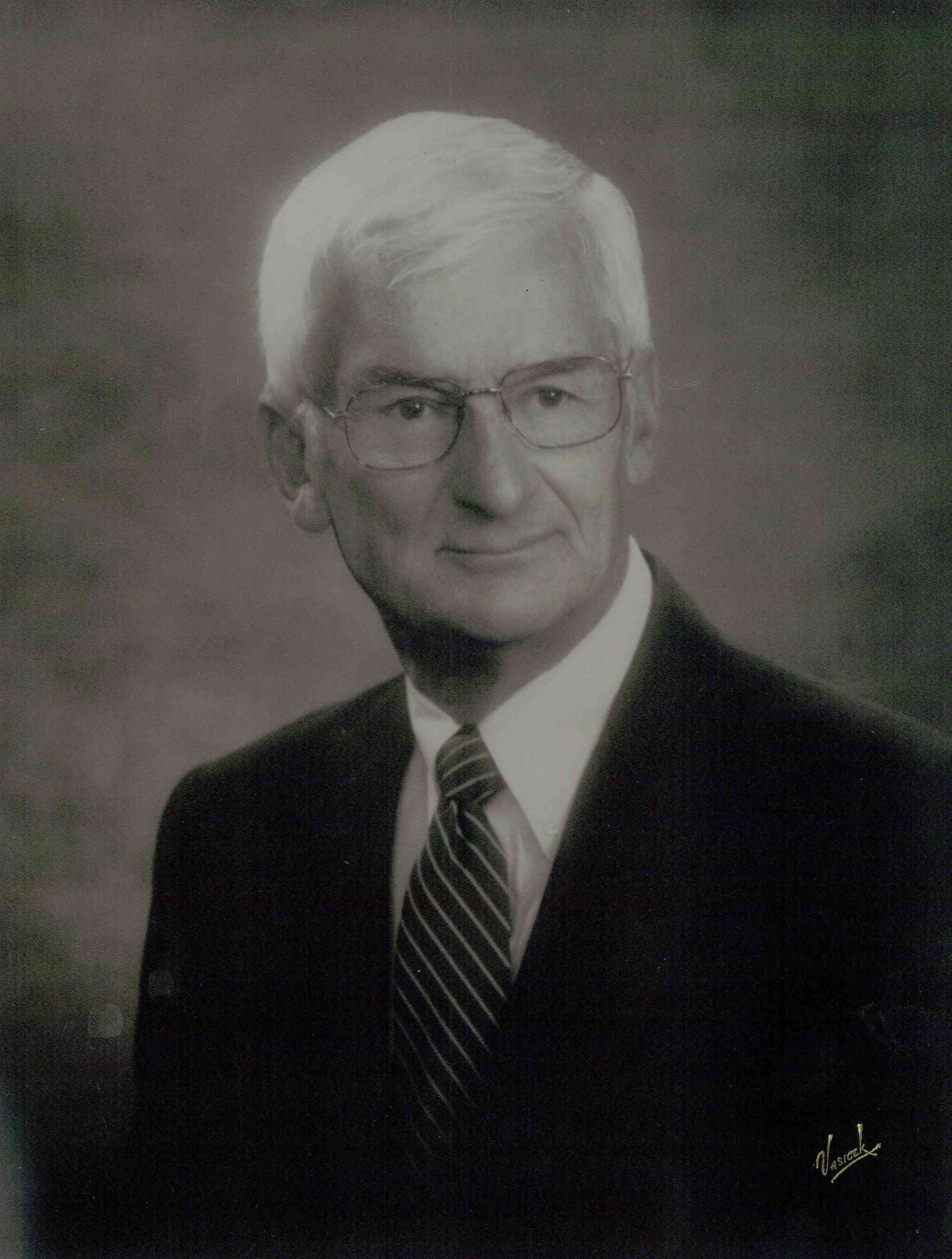
Tom Wood was born in Detroit, Michigan and, after graduating from college, he served in the U.S. Army. He graduated from the University of Colorado Law School in 1956 and joined the firm that same year. He became an expert real estate practitioner. In addition, he was attorney for the St. Vrain Valley School District for many years and President of the Boulder County Bar Association.
A specialist in law office management, he was the office manager of the firm for nearly forty years. It has been said that managing lawyers is much like trying to herd a bunch of cats, but Tom was able to do it because of his enormous patience and kindliness toward all people (even lawyers). He used these skills in the community to tutor juvenile delinquents. He retired from the firm in 1987.
Tom married Muriel (Mitzi) Wood, who founded Gold Key Travel Agency. Either Mitzi or Tom had, at one time or another, visited at least 90% of the countries on the earth. They had four children: Lynn Thomas Wood, Cynthia Ann Hoge, Kathryn Lee Pillmore, and Don Steven Wood, and twelve grandchildren. He had Alzheimer’s disease and, in keeping with his wishes, his body was gifted to science upon his death in 2016.

John is a native of Longmont. He graduated from Longmont High School in 1963 and attended Stanford University, graduating with a BA degree in 1967. At Stanford he was on the basketball and track teams. He helped register voters in Mississippi in the fall of 1963. He was a member of the Sigma Chi fraternity. He was Rush Chairman in 1966, when the local chapter pledged the first black member in that fraternity’s history. He participated in the Stanford in Italy program his senior year.
John went to the University of Colorado Law School, graduating with a JD degree in 1970. He was a member of the Law Students Civil Rights Counsel and spent the summer of 1968 interning with the civil rights law firm of Hill, Tucker, and Marsh in Richmond, VA researching and drafting briefs on civil rights cases in the Federal courts.
John married Laurie, and together, they have five children and fourteen grandchildren. He loved hiking, golf, skiing, studying history and theology, and traveling the world. John served his community and his commitment to Longmont went far beyond his legal practice. He held many titles through the years -- attorney, board director, chairman, mentor, civic leader. He was involved with organizations like the Longmont Rotary Club, Longmont Charity Fund, Longmont United Hospital, Longmont Area Chamber of Commerce, the Longmont Red Cross, the First Congregational Church, the Historic Preservation Commission of the City of Longmont, St. John's School, and the Longmont YMCA, among others. John also coached his daughters, his son, his daughter-in-law, and later his grandsons.
John believed that a meaningful life was built quietly, through faith, family, friendship, and service to one’s community. In the end, the measure of his life can be seen in the generations he guided, the community he helped shape, and the countless lives made better simply because he was there.
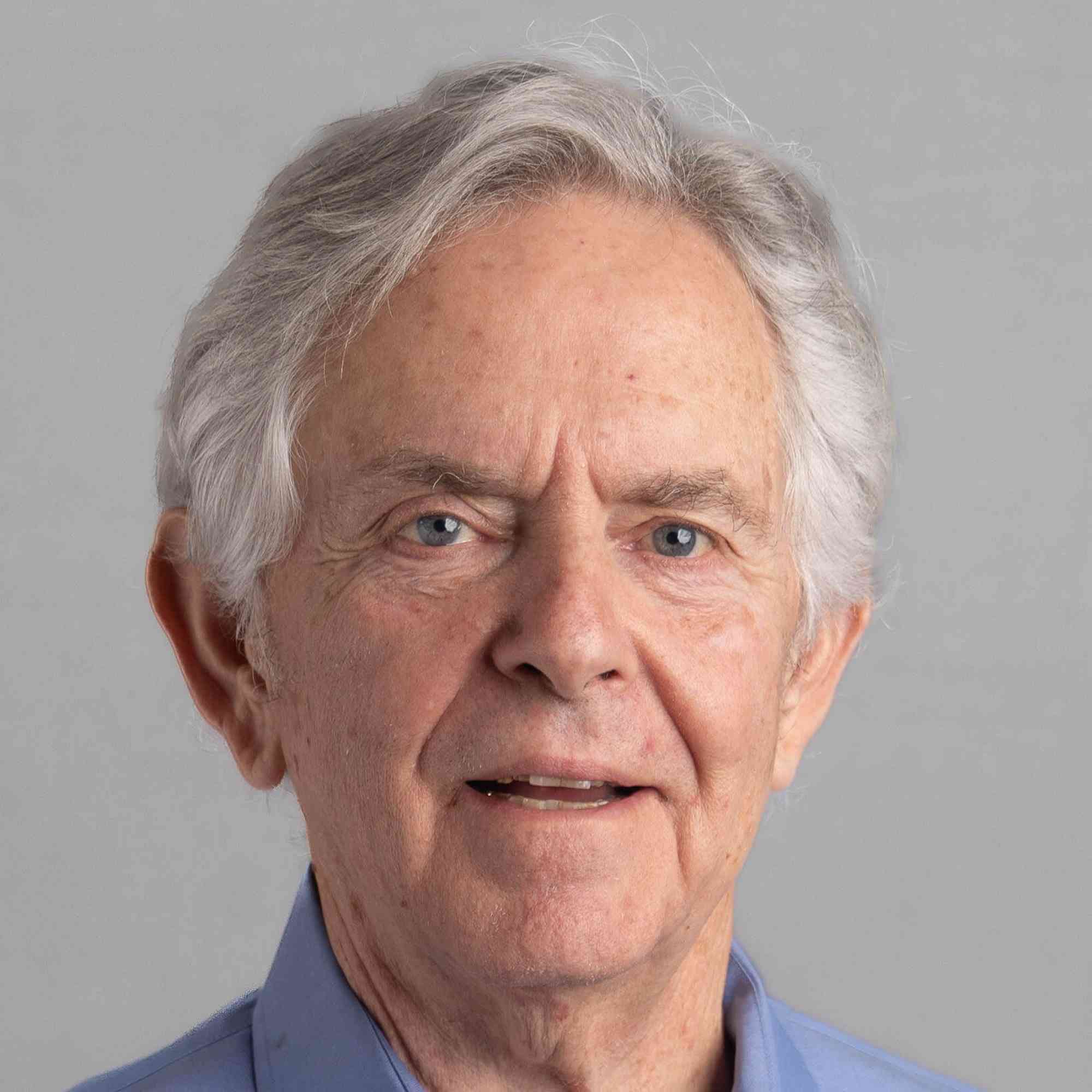
Since moving to Longmont over 30 years ago, Lee represented local businesses, professionals, farmers and individuals in all variety of legal and business matters with an emphasis on taxation. He advised on real estate matters from the most basic purchase and sale of a personal residence to the formation and funding of complex real estate partnerships owning millions of dollars worth of commercial buildings and apartments. He has helped clients start dozens of businesses and been fortunate enough to advise on the eventual sale of many of those businesses, often in very tax sophisticated ways. Similarly he has helped many clients by preparing their first wills establishing trusts and safety for their children and also helped create sophisticated estate plans saving clients many thousands in death taxes. As a lawyer in a city that has grown from 20,000 people to nearly 100,000 people in the time he has lived here, he has been counsel to families with modest means, but also represents clients with significant annual incomes and estates with millions of dollars of assets. He has prepared hundreds of individual, trust and estate income tax returns and many complex US Estate tax returns.


